What if your ad is a street performer in the middle of a bustling city?
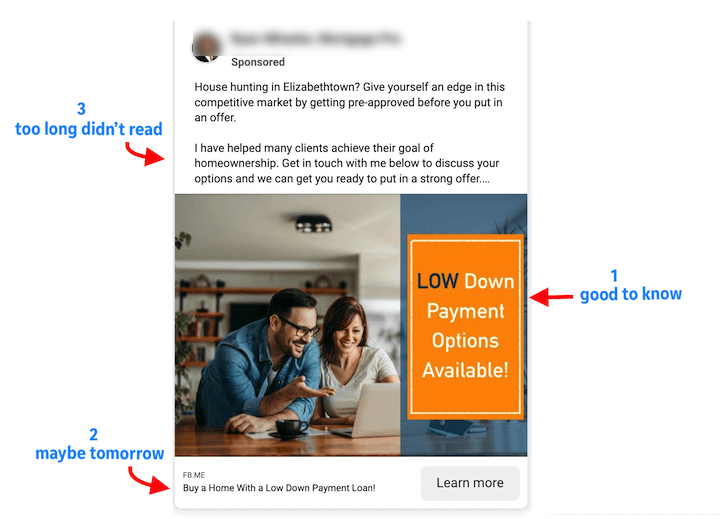
On Facebook, thousands of people are strolling by, laughing, chatting, completely lost in their own world. Your ad has exactly three seconds to make them stop, turn their head, and smile.
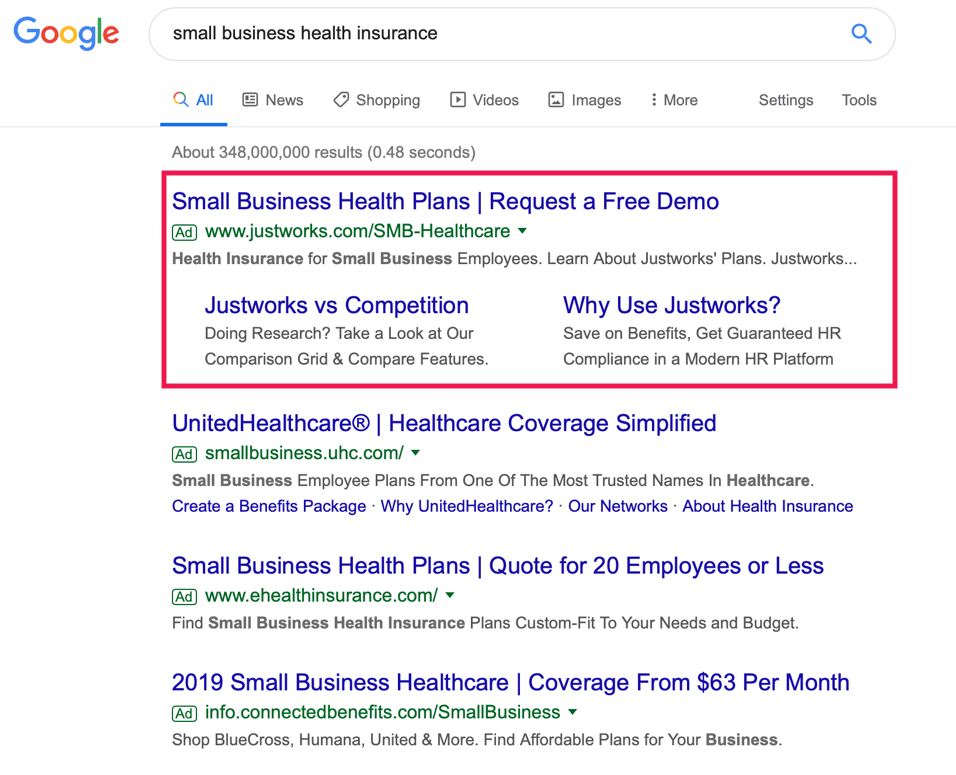
On Google, people are rushing with a clear purpose, like someone searching for an umbrella in a sudden downpour. They don’t want entertainment. They want the right solution, right now.
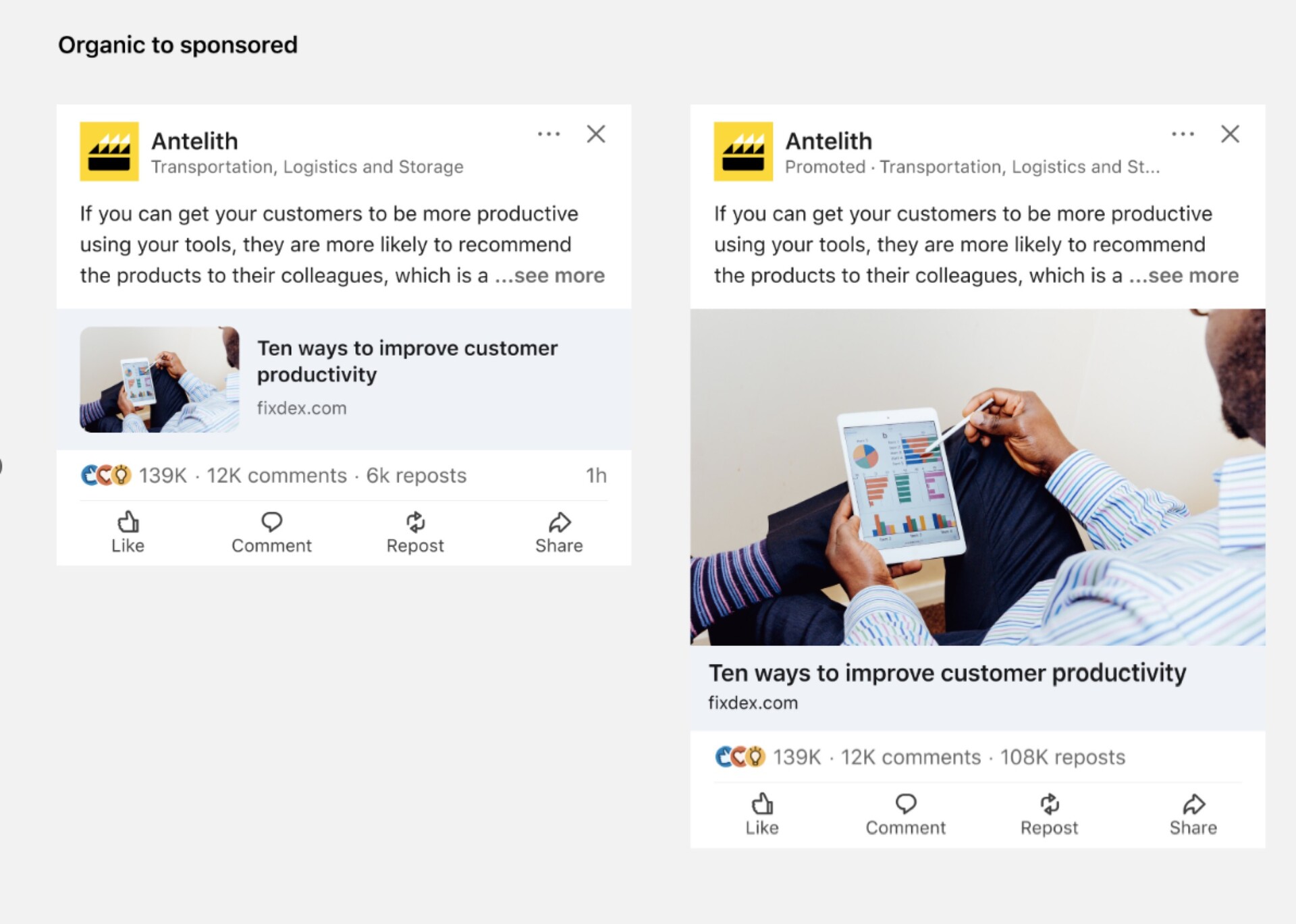
On LinkedIn, professionals walk with purpose, briefcases in hand, looking for people who can help them grow, lead better, or solve real business problems.
Now, a change of direction, suppose your ad gets on stage and begins to mumble. It’s polite, safe, but forgettable. One look, and the audience continues to move or scroll past it. Your budget disappears. And you start wondering why a completely fine ad did not raise any results.
When this rings very deafeningly familiar, you are not alone. Even the most beautiful designs and smart targeting will not be able to save weak ad copy in 2026. It is the words that are magic. Words that relate, convince and make people take action.
Why Strong Ad Copy Matters More Than Ever
Platforms keep evolving. The algorithm of Meta now prioritizes creative diversity, Google prioritizes intent matching, and LinkedIn prioritizes professional value. However, there is one constant: direct communication to the needs of the audience is always superior to generic communication. According to reports of recent industry studies, considered copy will boost engagement without sounding compelled, and this will help campaigns shine in overwhelmed feeds, as well as search results.
The reward is an increased level of click-through, improved quality scores and finally improved returns. The trick is to use different words on every platform, but with major principles.
Platform Differences That Shape Your Copy
Different networks appeal to different mindsets, and thus, your copy should be similar. People scroll through Facebook and Instagram to connect and be entertained. Google search users seek quick solutions. The users of LinkedIn want to gain professional development and a reputation. It is seldom effective to write the same copy anywhere. Rather, change your voice, duration and attention to suit the setting.
Creating Compelling Facebook Ad Copy
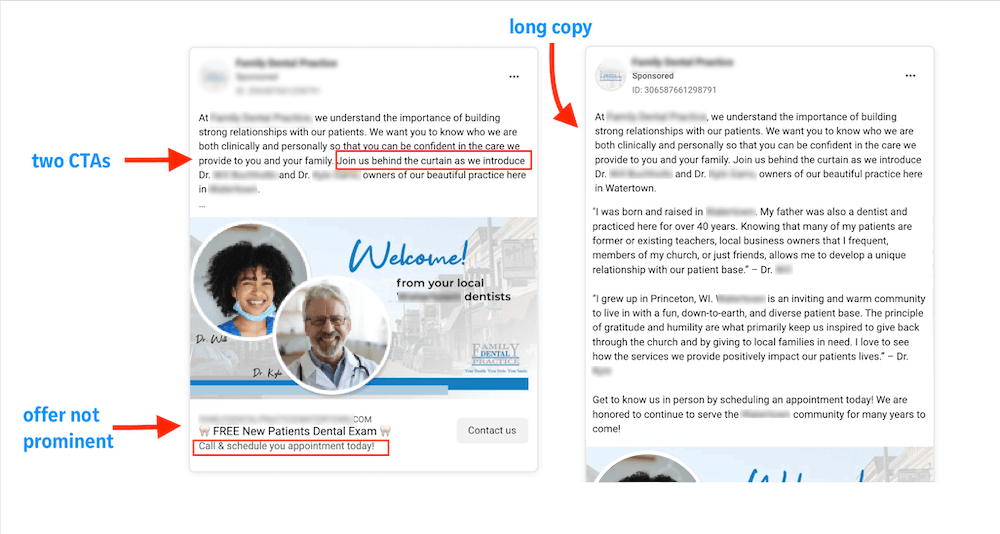
Facebook rewards advertisements that interrupt the scrolling in the initial few words. Limit your main text to three or four lines. Stick to a strong hook that addresses a pain point or need, and point out benefits instead of features.
To give an example, rather than giving product specs, tell how the offer makes life easier or more enjoyable. Powerful call to actions are important here as well. Such expressions as “Shop Now” or “Learn More” lead to the next step without haste.
Social proof incorporates itself into many successful campaigns, perhaps through references to happy customers or fast outcomes. And since the weight of creative elements is very high, you need to support your words with visuals that are catchy and support the message.
Test multiple variations. Meta currently supports up to five main texts and headlines per ad set, as well as AI suggestions, enabling you to quickly view what resonates. The idea remains very straightforward: the copy should feel more like a conversation, as if with a friend and not a sales pitch.
Writing Google Ads Copy That Captures Intent
Google users have a particular need in mind, and this alters everything concerning your approach. Relevance is king. Naturally use important search terms in your headlines to enhance visibility and quality rating.
The maximum number of characters allowed in headlines is 30, and therefore each word counts. Pay attention to the advantage or solution immediately. Descriptions allow you to elaborate more, approximately 90 characters per, on value and to include a clear call to action.
Dynamic keyword addition can make your ad even more personal, yet always proofread to get a natural flow. The assets and extensions are also helpful in enhancing performance by providing additional information, such as reviews or location details.
According to recent standards, search advertisements usually enjoy good click-through rates in cases where the copy is closely related to user queries, occasionally in the three-percent range or even higher in competitive industries. The trick is to offer what the landing page promises.
Creating LinkedIn Ad Copy for Professional Audiences
LinkedIn requires a more measured, value-based tone. This is not a place where professionals scroll idly to learn and network.
Begin with an advantage or result in the headline, but no more than 150 characters to be optimally displayed, with many of the best doing less. The introduction text must be informative, not an advertisement. Make short paragraphs or bullets to scan easily. Focus on thought leadership, case studies or practical implications to make your brand a reliable partner.
Photos of actual individuals are likely to do significantly better, and they include a human element that creates instant connection.
CTAs with straight-up messages like the one saying that you can ‘Download the Guide’ or ‘Join the Webinar’ are effective since they provide professional value from the beginning.
Quick Comparison of Ad Copy Elements Across Platforms
To see the differences at a glance, here’s how key elements typically play out:
| Element |
Facebook |
Google Search |
LinkedIn |
| Length |
Short, 1–3 lines |
Tight headlines with expanded descriptions |
Benefit-focused and easy to scan |
| Tone |
Conversational and emotional |
Direct and solution-oriented |
Professional and insightful |
| Focus |
Benefits and strong visuals |
Intent match and keywords |
Value and credibility |
| Testing Approach |
Multiple creative combinations |
Relevance testing and asset optimization |
Thought leadership angles |
For a visual sense of typical performance, recent data highlights how click-through rates vary by platform.
Quick Comparison of Ad Copy Elements Across Platforms
Rushing copy without doing thorough research on the audience tops the list. Another frequent slip is overloading text instead of letting visuals play from the front.
Moreover, vague language also hurts the ad copy. Specificity builds trust. Lastly, not running enough A/B testing implies not having chances to improve what really works. Minor changes, such as replacing one headline or CTA, can bring surprisingly significant differences in the long run. Testing works miraculously for short texts like ad copy.
How Faber Cre8tive Can Help You Write Ad Copy
At Faber Cre8tive, we live and breathe digital advertising. Our team integrates platform knowledge and innovative approach to develop copy that works on Facebook, Google, and LinkedIn. You may be in need of new headlines that reflect search intent, Facebook messages that scroll, or LinkedIn posts that are professional and build authority, we do the names, and you grow.
Our process of writing an ad copy starts by getting deep into your audience and goals. Then, we create tested variants using the latest tools without losing the human touch in our language. Many clients see clearer results after partnering with us, from stronger engagement to more qualified leads. When it comes to feeling overwhelmed by writing ad copy, we can handle the wheel.
Ready to Write Persuasive Ad Copy for Your Campaigns?
Ad copy is not about getting perfection on your first try. It is about listening to what your audience responds to and refining with purpose. Start small, test often, and watch your campaigns gain momentum. The right words can turn browsers into buyers and skeptics into loyal customers.
If you are ready to see better results on Facebook, Google, and LinkedIn, reach out to the Faber Cre8tive team today. We would love to help your next campaign become your best one yet.